
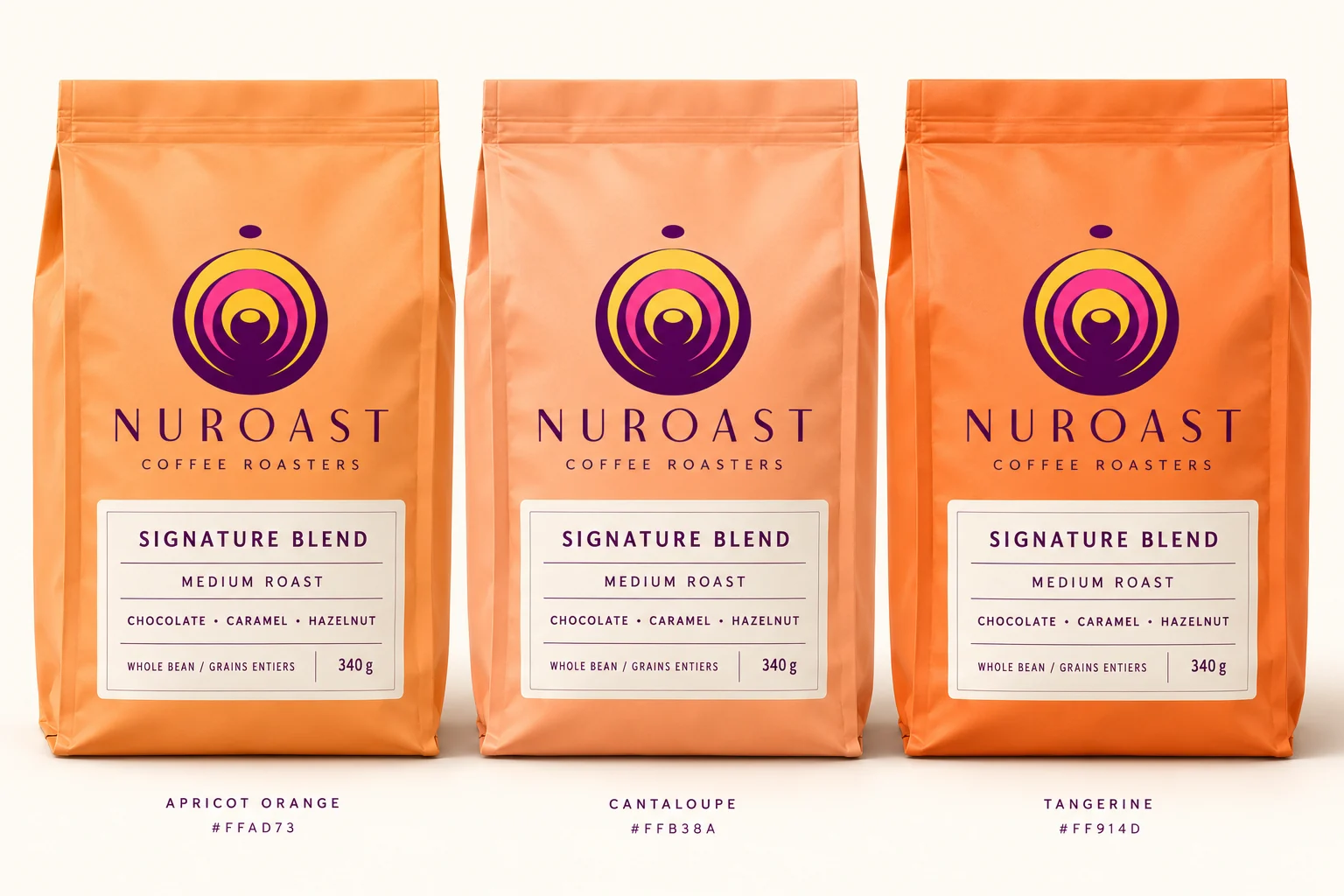
Walk down any Canadian retail aisle and the visual tension in modern packaging is immediately clear: brand owners want consumers to see the quality, colour, and texture of what is inside, yet carving out a transparent window fundamentally changes how a flexible pouch interacts with heat, light, moisture, and oxygen. When evaluating custom Mylar bags for retail distribution, adding a clear window creates a direct trade-off between visual merchandising and long-term product protection.
The term "Mylar" is often used broadly in commercial settings to describe high-barrier polyester film structures, but from a technical manufacturing standpoint, not all flexible barrier films behave the same way once you make them transparent. Misinterpreting how clear window films function can lead to shortened shelf life, bleached product colours, or compromised aromas. Separating the packaging myths from material realities ensures your visual design decisions align with your product's actual preservation requirements.
Myth vs. Reality: Does a Clear Window Ruin Your Pouch's Barrier?
The Myth: Adding a clear window to a pouch immediately degrades its barrier profile down to that of basic household plastic wrap.
The Reality: Modern multi-layer substrate technologies allow clear packaging films to achieve impressive moisture and gas barrier ratings, but clear barrier mechanics differ significantly from traditional opaque metal structures.
Standard opaque flexible pouches rely on embedded layers of aluminum foil (AL) or metallized polyethylene terephthalate (Met-PET). These metallic layers serve as absolute physical blocks against light, moisture vapour transmission (MVTR), and oxygen transmission (OTR). To create a traditional clear window, converters must either print around an intentionally un-metallized section of clear PET or laminate a clear structural window onto an opaque backdrop.
However, advances in material science have brought specialized clear barrier layers to the forefront:
- EVOH (Ethylene Vinyl Alcohol): A high-oxygen barrier resin frequently co-extruded into multi-layer clear films. It excels at keeping oxygen out while retaining internal aromas, though its performance can drop if exposed to high ambient relative humidity without proper outer protecting layers.
- AlOx and SiOx Coatings: Ultra-thin ceramic coatings of aluminum oxide or silicon oxide applied to clear PET films. These provide glass-like clarity along with remarkable oxygen and moisture barriers comparable to metallized films, without using dark metal sheets.
While these transparent polymers deliver excellent protection against air and humidity, they do not stop light. A bag made with clear high-barrier film may match an opaque bag's oxygen resistance, but it remains fully transparent to ambient light waves. Balancing clarity with shelf stability requires reviewing technical specs across high-barrier packaging options before finalizing artwork.
The Invisible Threat: Light Transmission and Photo-Oxidation
A common mistake during packaging procurement is assuming that if a package is airtight, the product inside will remain fresh indefinitely. Atmospheric oxygen is only one catalyst for degradation. The second primary threat to shelf stability is photo-oxidation—chemical breakdown triggered by exposure to ultraviolet (UV) and visible light rays.
Fluorescent and LED ceiling lights in retail stores, combined with daylight filtering through storefront windows, continuously bombard retail displays. Light acts as a catalyst that accelerates lipid oxidation in fats, breaks down delicate aromatic compounds, and bleaches natural pigments. For specific product categories, placing content behind a clear window poses clear functional risks:
1. High-Fat Snacks, Nuts, and Seeds
Lipids are exceptionally vulnerable to light-induced rancidity. Even if your pouch has an oxygen transmission rate near zero, exposure to retail lighting will cause the fats in roasted almonds, pumpkin seeds, or fried crisps to oxidize over time, resulting in off-flavours and stale aromas long before the expiry date on the seal.
2. Whole and Ground Coffee
Roasted coffee beans contain volatile essential oils that deliver rich flavor profiles. Direct exposure to UV light causes these delicate lipids to degrade rapidly. While clear windows are sometimes used for short-turnover specialty roasts, long-term freshness in stand-up pouch formats usually demands full light exclusion to protect delicate flavor notes.
3. Dried Herbs, Spices, and Tea
Chlorophyll and natural botanical pigments fade quickly when exposed to visible light. Bright green oregano, vibrant tea leaves, or rich paprika turn a dull, dusty brown within weeks under display lighting. The product may remain micro-biologically safe, but visual fading gives consumers the impression that the inventory is old or low quality.
Visual Merchandising Realities: When Seeing Product Backfires
Beyond barrier physics, clear windows introduce operational realities that can work against your visual brand strategy once packages leave the manufacturing floor and travel through Canadian freight channels.
Static Cling and Product Dust: Products like roasted nuts, ground spices, or baked goods generate micro-particles during transit. Due to static electricity inherent in plastic films, fine crumbs, seasonings, and flour dust cling directly to the interior surface of clear window film. Instead of a crystal-clear preview of your product, the window displays a dull, hazy coating of dust that obscures the contents.
Oil Smear and Condensation: High-moisture or oil-infused products can leave greasy streaks across the inside face of the film during transport. If temperatures fluctuate during shipping, trace moisture inside the bag can condense on the cool inner surface of the clear window, leaving water droplets that make fresh products look unappealing.
Product Settling and Headspace: Granular products settle during shipment due to vibration. A clear window positioned across the top half of a pouch may look perfectly filled on the design screen, but on a store shelf, it often displays 3 to 4 centimetres of empty headspace. If you produce specialized goods like treats or baked items, reviewing structural designs for cookie packaging helps align window placement with settled product lines.
Strategic Design: Using Clear Windows Without Sacrificing Quality
If market research shows that customers demand to see your product before purchasing, you can adopt several structural design strategies to minimize barrier compromises while preserving visual appeal:
1. Lower-Third Window Positioning
Place transparent windows on the lower portion of the front panel. As contents naturally settle during freight, the window remains completely filled with product rather than showing empty headspace, keeping your package presentation crisp on the shelf.
2. Geometric or Shaped Windows
Instead of a full-width clear rectangle, use smaller, custom die-cut window shapes (such as thin stripes, logo cut-outs, or brand motifs). Shaped windows restrict total light exposure to a tiny percentage of the total surface area while still offering visual proof of product quality.
3. Back-Panel Placement
Keep the front panel fully opaque with rich graphics and complete light protection. Introduce a small clear viewing window on the rear panel. This allows shoppers to flip the package to inspect contents, while the primary front-of-pack presentation shields the bulk of the product from continuous shelf lighting.
4. Matte Clear Windows
Combining a matte exterior finish with a clear window creates a soft-focus translucent effect. Matte clear windows soften bright retail lights, reduce the visual prominence of internal static dust, and provide a premium, modern tactile feel. Learn more about structural film combinations for food packaging applications to select the right finish for your product line.
Deciding Between Opaque and Clear Window Structures
To help guide your packaging procurement decision, evaluate your product characteristics against these practical packaging criteria:
- Choose an Opaque, Fully Metallized Pouch If:
- Your product has a target shelf life exceeding 12 months under ambient storage conditions.
- The contents contain high fat or oil concentrations prone to photo-oxidative rancidity.
- The product is highly light-sensitive (e.g., ground coffee, green tea, powdered botanicals, milk-based powders).
- The product creates fine dust, static powder, or oily residue during transit.
- Choose a Clear Window Pouch If:
- Your product relies heavily on visual impulse purchasing driven by unique shapes, vivid natural colours, or distinctive textures (e.g., bright candy, dried fruits, whole legumes).
- Your retail distribution network features rapid inventory turnover (under 3 to 6 months).
- You specify high-barrier clear films (such as EVOH or AlOx PET) to maintain oxygen protection without needing dark foil layers.
- Your window layout is geometrically designed to obscure headspace and minimize light intake.
Clear Window Pouch Specification Checklist
Before submitting artwork or requesting quotes for custom window packaging, review these crucial details with your production team:
- Light Sensitivity Assessment: Have you evaluated whether your ingredients require 100% light exclusion or can tolerate ambient store lighting?
- Barrier Film Selection: If using a clear window, are you specifying a standard PET film or an upgraded high-barrier transparent film (e.g., EVOH or barrier PET)?
- Settlement Line Verification: Has your fill weight been tested in physical pouch samples to ensure the settled product completely covers the window height?
- Finish and Ink Registration: If combining matte and gloss effects on printed Mylar bags, have you confirmed exact registration borders around the window edges?
- Regulatory Labeling Clearance: Does your transparent window leave enough opaque printable area for mandatory nutrition facts, ingredient declarations, and bilingual French/English text requirements?
Refining Your Packaging Specifications
Selecting flexible packaging involves evaluating structural performance alongside visual branding. A clear window can be a powerful merchandising tool when executed with the right film structure, strategic shape placement, and clear understanding of your product's shelf-life vulnerabilities. If your product demands absolute barrier protection, full opaque metallization remains the gold standard for long-term freshness.
Every food item, snack, and natural product reacts differently to light, moisture, and oxygen. If you are comparing material structures, clarifying window placement, or balancing shelf life requirements for your retail product line, our team is ready to assist. Request a custom quote today to discuss physical samples, film laminations, and tailored structural options for your brand.