
High-Barrier Packaging Built Around What Can Damage the Product
Barrier packaging should target the actual failure mode—oxygen, moisture, aroma loss, light, grease or another exposure—rather than defaulting to the most complicated film structure.
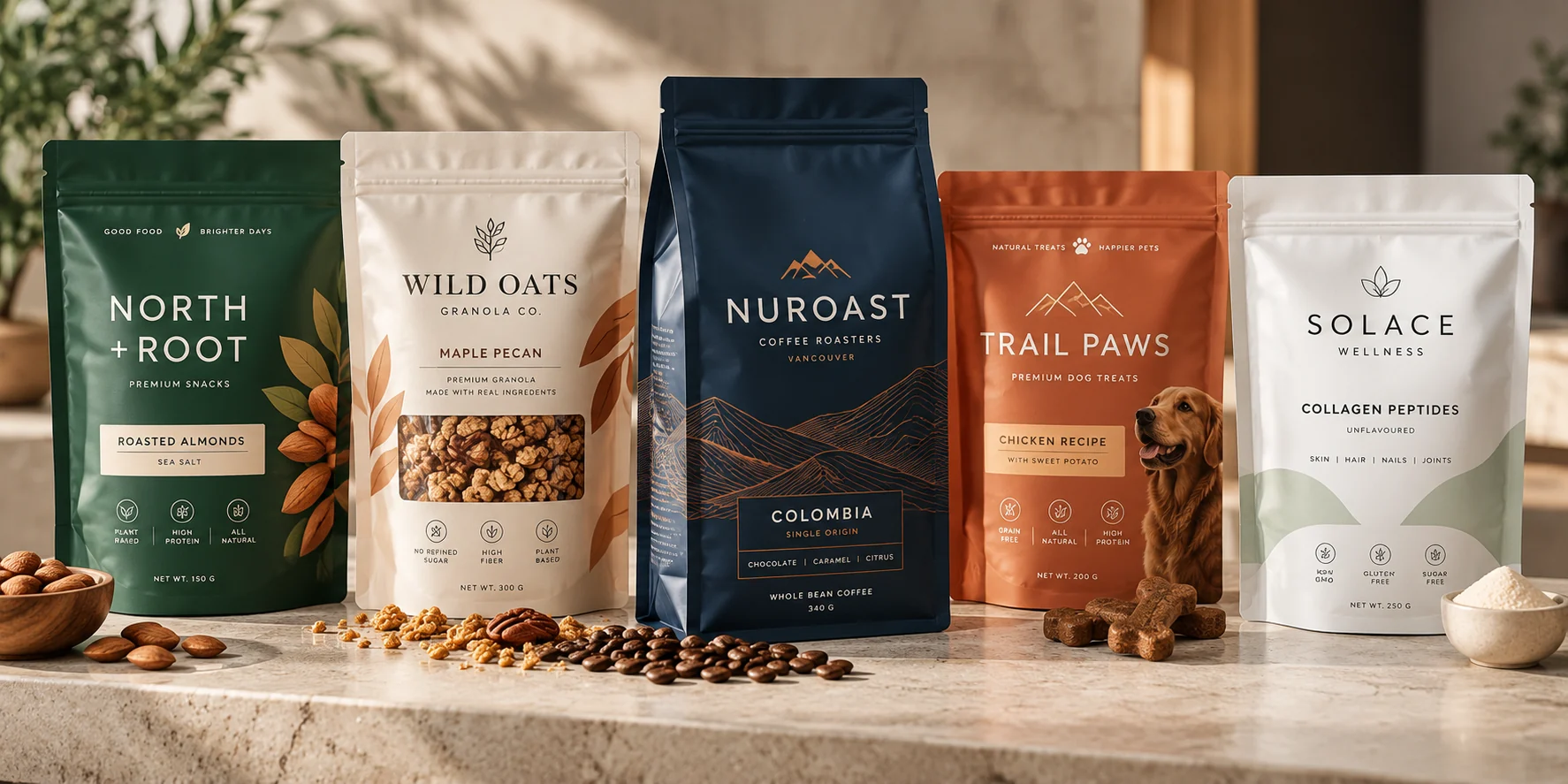
Barrier is measurable—not just a marketing phrase.
Different products degrade for different reasons. Coffee may prioritize oxygen and aroma, crispy snacks may prioritize moisture, and light-sensitive products may need opacity. A useful specification starts with the product and target shelf life.
Oxygen protection
Review oxygen sensitivity and the distribution window.
Moisture protection
Control moisture gain or loss when texture and stability depend on it.
Aroma retention
Help preserve volatile aromas and prevent flavour migration.
Light protection
Use opaque or metallized directions for light-sensitive products when appropriate.
Grease resistance
Select layers and seals that tolerate oily products.
Seal integrity
Barrier only works when the package seals consistently through production and distribution.
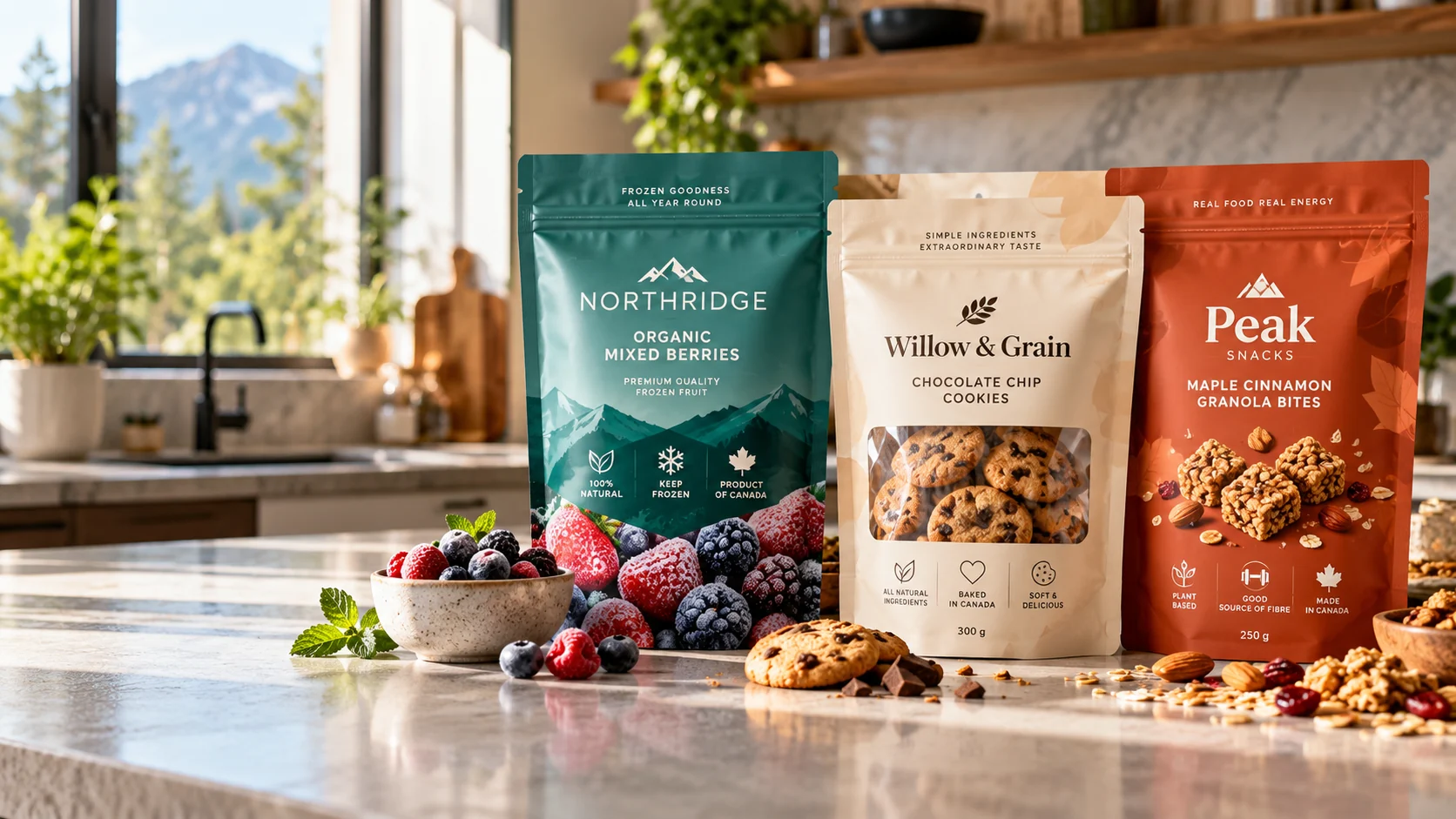
Do not overbuild the structure.
More layers or higher barrier are not automatically better. Unnecessary complexity can increase cost and make future sustainability goals harder. Specify only what the product needs.
High-Barrier Packaging Built Around What Can Damage the Product FAQ
Useful answers before you request pricing.
It refers to packaging designed to significantly limit transmission of factors such as oxygen, moisture, aroma or light, depending on the structure.
No. Barrier should be matched to product sensitivity and target shelf life.
Yes. Print layers and barrier layers can be coordinated within the overall structure.
Start with the current package, shelf-life target, product sensitivity and any available oxygen or moisture transmission requirements.