
Frozen Food Packaging Built for Cold Handling
Freezer-ready flexible packaging should account for low temperatures, puncture risk, moisture, sealing and distribution—not just the graphics on the front panel.
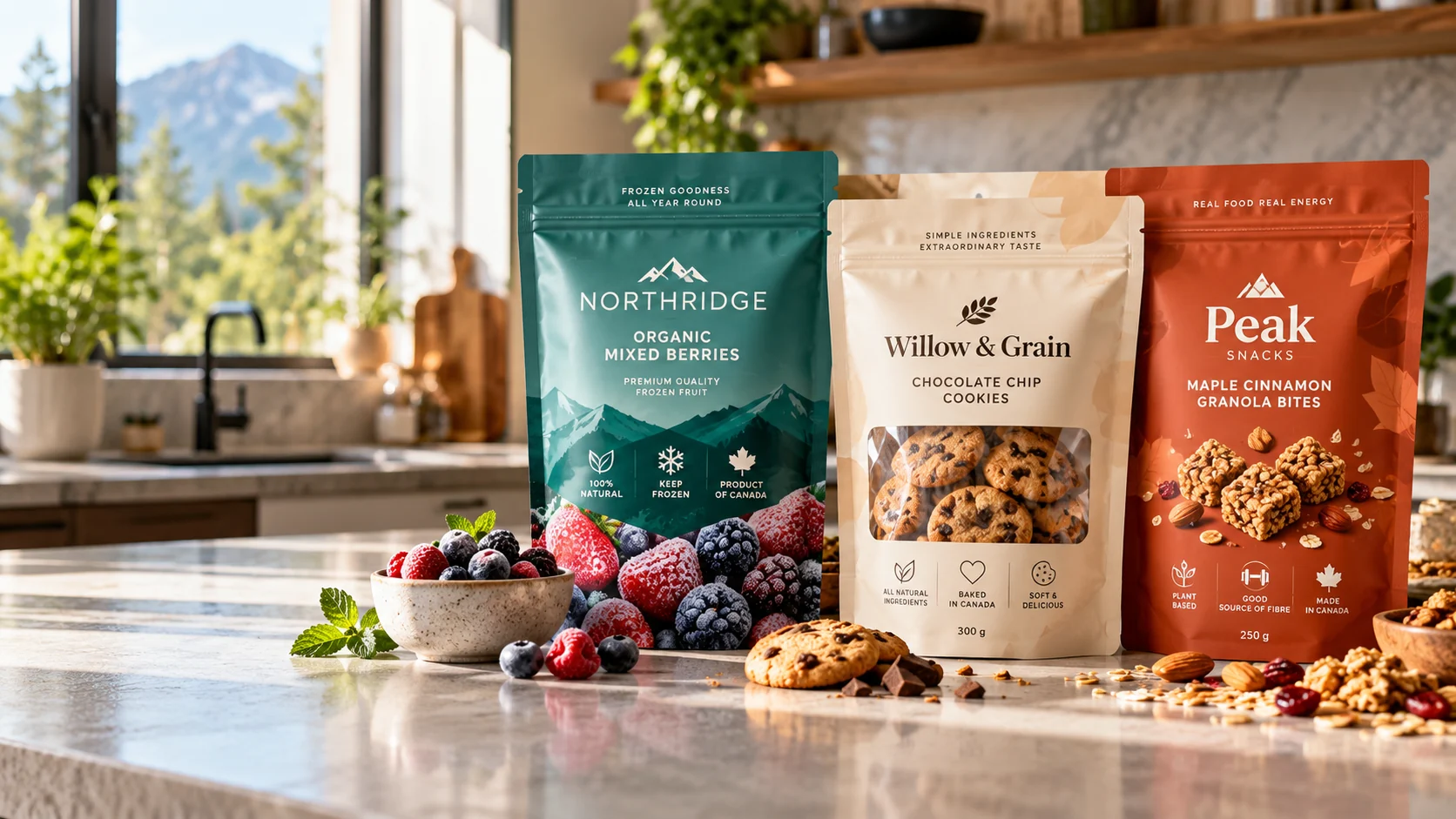
Cold conditions change packaging behaviour.
Frozen products can create sharp edges, abrasion and low-temperature stress that are less important in ambient applications. The film structure, sealant and package geometry should be selected with those handling conditions in mind.
Freezer handling
Review film flexibility and seal performance at low temperatures.
Puncture resistance
Account for hard or sharp frozen product shapes and distribution stress.
Moisture management
Select structures that fit the product and freezer environment.
Premade pouches
Retail-ready formats for hand or semi-automatic filling.
Printed roll stock
Film for frozen-product packaging lines and automated equipment.
Brand visibility
Use strong colour and photography without sacrificing package performance.
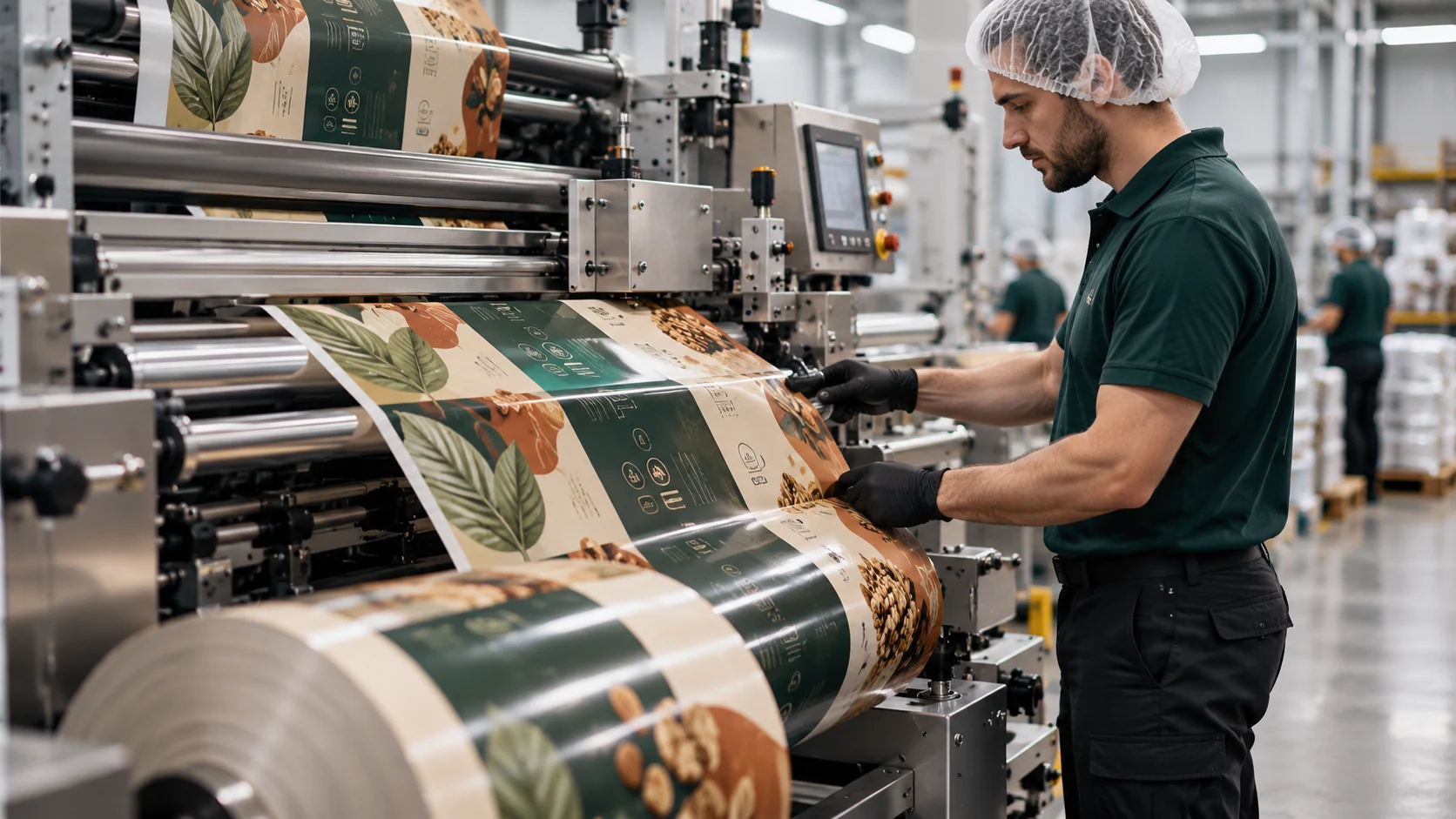
Plan the package around the filling and freezing process.
A product packed before freezing can create different stresses than one packed after freezing. Share process details so the material direction reflects real operating conditions.
Frozen Food Packaging Built for Cold Handling FAQ
Useful answers before you request pricing.
There is no single universal freezer film. The package should be selected around low-temperature flexibility, seal performance, puncture risk, product shape and storage conditions.
Yes, depending on the product and filling process. The bottom gusset and film structure must still be appropriate for the weight and frozen handling conditions.
Yes. Custom print can be coordinated with the required material structure.
Product type, fill weight, packaging temperature, storage temperature, dimensions, filling method, quantity, number of SKUs and desired shelf life are useful starting points.