
Coffee Bag Packaging Guide: Valve, Barrier, Zipper & Size
Coffee packaging has to protect aroma and freshness while selling the brand. Here is how to think about valves, barrier, sizing and closures.
Published October 4, 2026
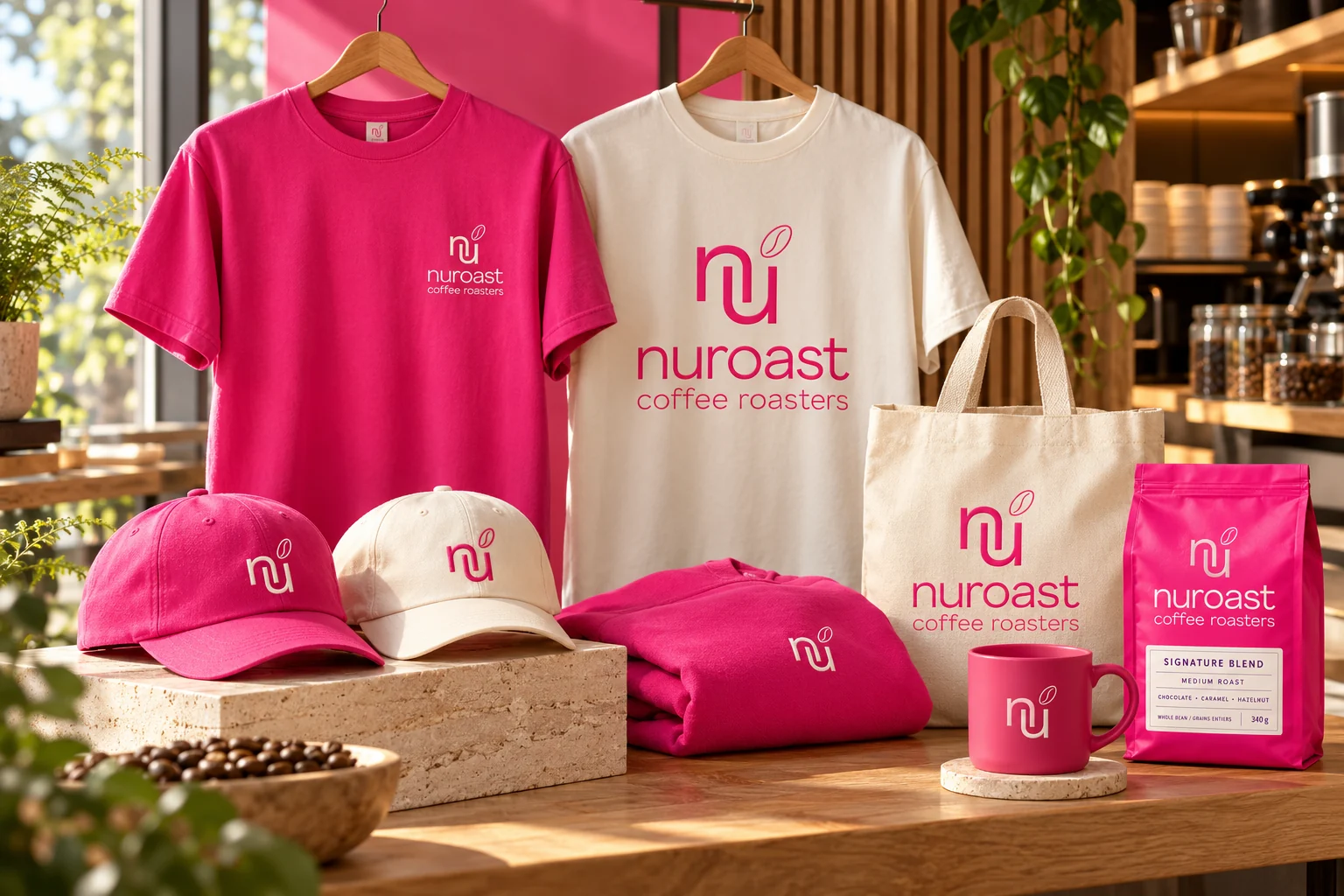
A coffee bag is both a freshness tool and a major brand surface. The strongest package does both jobs well: it supports the coffee through distribution and makes the brand recognizable before the customer ever opens it.
Do you need a one-way degassing valve?
Freshly roasted coffee releases carbon dioxide. Many whole-bean retail programs therefore use a one-way valve that allows internal gas to escape while limiting outside air entry. The need and placement depend on how soon coffee is packed, bag size and distribution timing.
Barrier priorities for coffee
Coffee can be sensitive to oxygen, moisture, aroma loss and light. The material direction should be selected around the target shelf life and the real distribution environment rather than a generic “coffee film” label.
Zipper and top seal
A resealable zipper adds convenience after the first opening. The bag still needs sufficient area above the zipper for filling and final heat sealing. That geometry should be considered before artwork is finalized.
Choosing the bag size
Whole-bean coffee can occupy different volumes depending on roast level and bean density. A target fill weight is useful, but an existing sample or physical fill test is better when final dimensions are not known.
Designing a multi-SKU coffee line
Origins, roast profiles, decaf and seasonal releases are easier to shop when the brand system stays consistent and the SKU differences are deliberate. Review the full line together rather than designing each bag in isolation.
See our Coffee Bags Canada page for available packaging directions and the NuRoast brand example.