
Flexible Packaging vs Rigid Packaging: How Canadian Brands Should Choose
Pouches and roll stock solve different problems than jars, tubs and tubes. The right choice starts with the product and the way it moves through production and distribution.
Published October 4, 2026
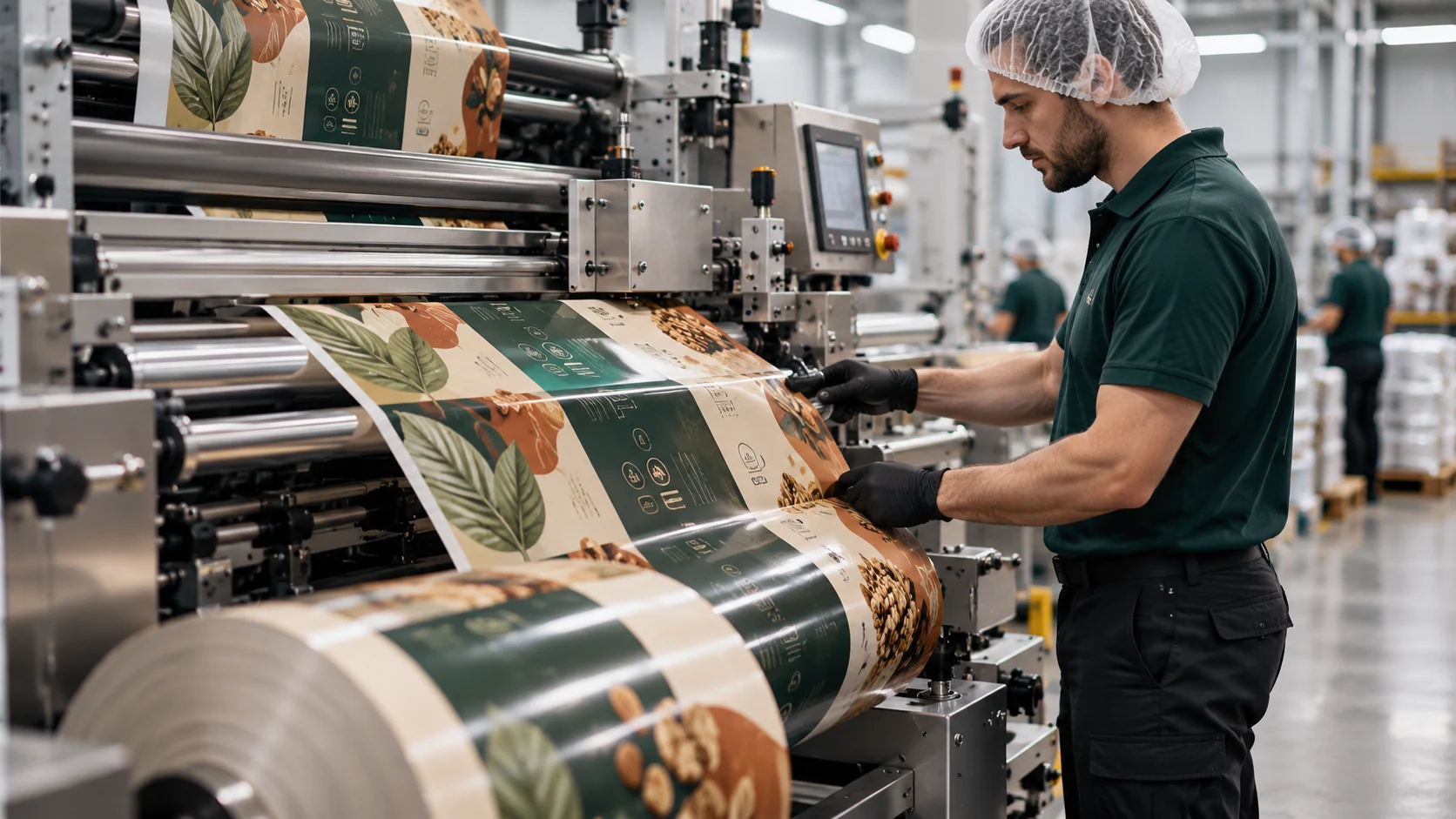
Flexible and rigid packaging are not interchangeable categories. Each has strengths, and many brands use both across the same product portfolio. The right choice depends on the product, filling line, consumer experience and distribution model.
What counts as flexible packaging?
Flexible packaging includes stand-up pouches, flat bags, sachets and printed roll stock. These formats use films that flex rather than maintaining a fixed container shape.
Where flexible packaging can be strong
Flexible formats can offer low package weight, efficient shipping, large printable surfaces and useful convenience features such as zippers, tear notches and valves. Roll stock can also integrate directly with automated filling equipment.
Where rigid packaging can be strong
Rigid containers can provide shape retention, crush resistance, premium tactile cues and dispensing experiences that are difficult to reproduce with film. Tubes, jars and tins can be appropriate for products that need those characteristics.
Do not choose by appearance alone
A pouch may look more modern, but it still has to protect the product. A rigid package may feel premium, but it can increase shipping volume or weight. Compare the full system: product protection, filling, storage, shipping, retail, consumer use and end-of-life.
Many brands need both
MylarBags.ca focuses on flexible packaging. For rigid formats such as tubes and additional child-resistant packaging, our related business Lion Packaging supports broader packaging requirements.