
Mylar Bag Thickness Guide: What Brands Should Consider
A practical guide for Canadian brands covering key mylar bags considerations, specifications and quote-preparation tips.
Published October 5, 2026
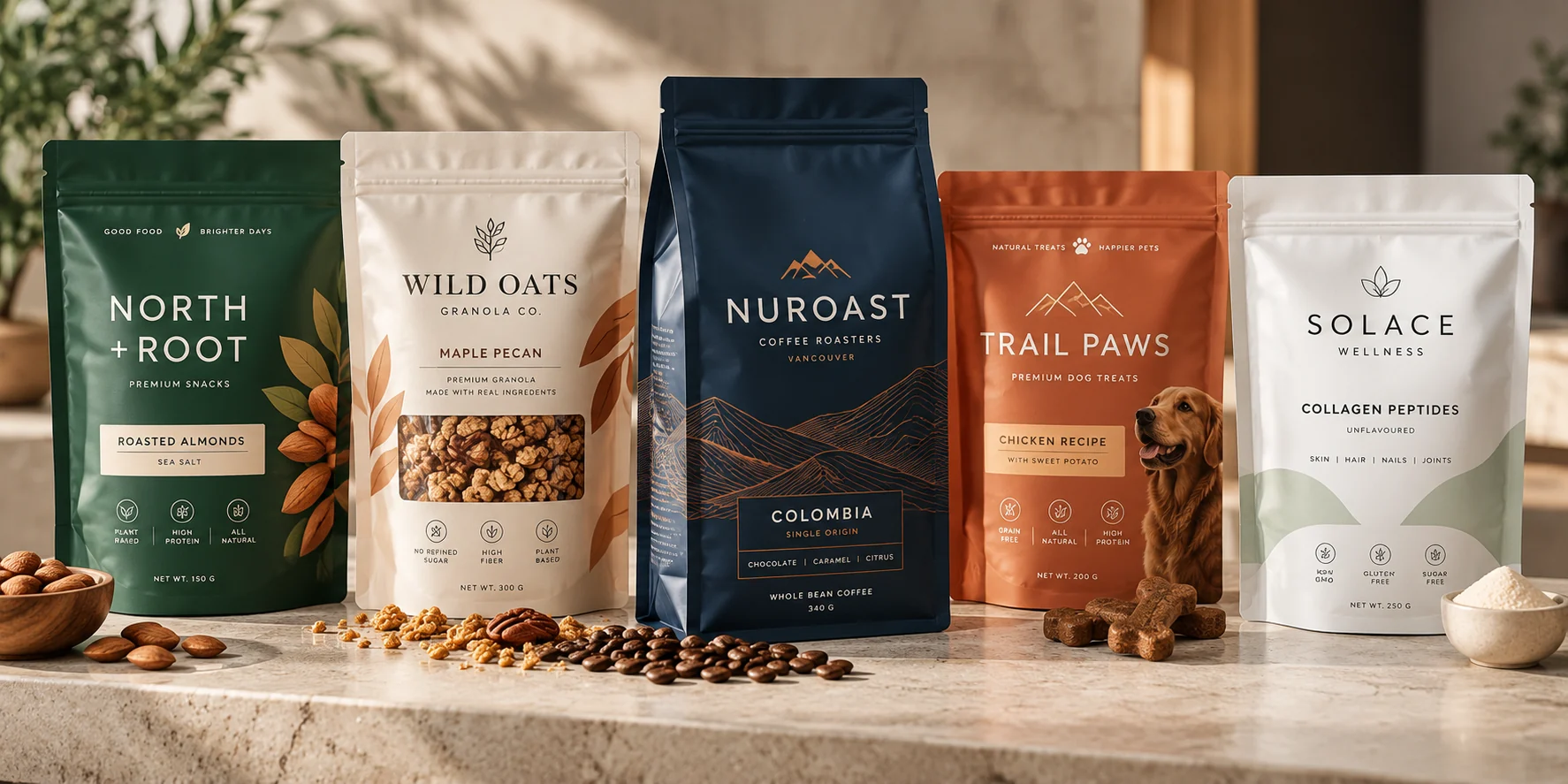
When designing custom packaging, brand owners often focus heavily on graphic design, brand colours, and shelf appeal. While visual design gets your product noticed on Canadian retail shelves, the physical structure of your bag keeps your product fresh, intact, and safe during transit. One of the most critical structural decisions you will make is selecting the correct thickness for your packaging material.
In the flexible packaging industry, "Mylar" (originally a brand name for biaxially-oriented polyethylene terephthalate, or BoPET) has become a generic term for multi-layer barrier bags. Choosing the right thickness for these bags is a delicate balancing act. If your bag is too thin, you risk punctures, seal failures, and premature spoilage. If it is too thick, you pay for unnecessary material, increase shipping weights, and potentially make the packaging harder for consumers to open and handle.
This guide breaks down everything Canadian brands need to know about Mylar bag thickness, from technical measurements to practical applications, helping you make an informed decision for your next packaging run.
Understanding the Metrics: Mils vs. Microns
Before diving into specific recommendations, it is helpful to understand how thickness is measured in the packaging world. You will generally encounter two units of measurement: mils and microns. Understanding how these measurements relate to one another is essential when comparing quotes and technical datasheets from different suppliers.
A mil is an imperial unit of measurement equal to one-thousandth of an inch (0.001 inches). It is important to note that "mil" is not short for millimetre. A millimetre is much thicker than a mil.
A micron (represented as µm) is a metric unit of measurement equal to one-millionth of a metre, or one-thousandth of a millimetre.
For quick reference, 1 mil is equal to approximately 25.4 microns. When sourcing custom mylar bags, manufacturers may use these terms interchangeably depending on where their technical datasheets originate. Knowing how to convert between the two ensures you are comparing apples to apples when reviewing packaging specifications.
- 2.0 mils is approximately 50 microns
- 3.0 mils is approximately 75 microns
- 4.0 mils is approximately 100 microns
- 5.0 mils is approximately 127 microns
- 6.0 mils is approximately 152 microns
The Anatomy of a Mylar Bag: It is Not Just One Layer
A common misconception is that a Mylar bag is a single sheet of plastic. In reality, modern flexible packaging relies on co-extruded or laminated structures. Multiple layers of different plastics, foils, and high-performance barriers are bonded together to create a single laminate sheet.
Each layer in the laminate serves a specific purpose, and the total thickness of your bag is the sum of these individual layers:
- Outer Layer: Typically PET (polyethylene terephthalate) or BOPP (biaxially oriented polypropylene). This layer provides structural strength, heat resistance during the sealing process, and a printable surface for your branding, logos, and product information.
- Core Barrier Layer: Often metalized polyester (VMPET), aluminium foil (AL), or EVOH (ethylene vinyl alcohol). This is the layer that blocks oxygen, moisture, light, and odours. For products requiring maximum shelf life, high barrier packaging is essential to prevent oxidation and spoilage.
- Inner Sealant Layer: Usually LLDPE (linear low-density polyethylene). This layer melts under heat and pressure to create a secure, airtight seal. It is also the layer that comes into direct contact with your product, meaning it must be food-grade and chemically compatible with your contents.
When a packaging supplier quotes a thickness of 4.5 mils, they are referring to the total combined thickness of all these laminated layers. The specific ratio of these materials can be adjusted to prioritise puncture resistance, stiffness, or barrier performance depending on your product's needs.
Thickness Tiers and Their Best Use Cases
To help you determine the right thickness for your brand, let us look at the standard thickness ranges used in the industry and where they work best.
Light-Duty (2.0 to 3.0 Mils / 50 to 75 Microns)
These are thinner, highly flexible bags best suited for short-term storage, fast-moving consumer goods, or products with minimal barrier requirements. They are highly cost-effective and lightweight, making them popular for single-serve items.
Best applications: Powdered drink mixes, single-serve tea bags, bath salts, light snacks, and inner liners for boxes. These bags offer limited puncture resistance and are not ideal for heavy, sharp, or highly sensitive items.
Standard Retail Weight (3.5 to 4.5 Mils / 90 to 115 Microns)
This is the "sweet spot" for most retail brands. It offers an excellent balance of durability, barrier protection, and cost-efficiency. If you are ordering a standard stand up pouch for the retail shelf, it will likely fall into this range.
This thickness provides enough rigidity for the bag to stand upright beautifully without sagging, while offering solid protection against oxygen and moisture. It is widely used for coffee, tea, granola, pet treats, dried fruit, and specialty food items.
Heavy-Duty (5.0 to 6.5+ Mils / 125 to 165+ Microns)
These are thick, robust bags designed for maximum protection and durability. They feel premium, stiff, and highly puncture-resistant. If your product has sharp edges—such as dehydrated meats, bone-in pet foods, bath salts, or coarse spices—this is the thickness you need.
Heavy-duty bags are also the standard for long-term food storage because they drastically reduce the rate of gas transmission over years of storage. The added thickness also provides a premium tactile experience that conveys high quality to the consumer.
Key Factors Brands Must Consider
Selecting the perfect thickness requires looking closely at your product, your supply chain, and your target audience. Here are the primary factors to evaluate:
1. Product Physical Characteristics
Does your product have sharp edges, points, or a coarse texture? Fine powders can escape through microscopic pinholes if a thin bag is flexed too many times during shipping. Sharp items like wood chips, hard candies, dehydrated foods, or dried herbs can easily puncture lightweight films. If your product is heavy or abrasive, leaning toward a thicker film is always the safer choice.
2. Barrier Requirements
Different products have different sensitivities to environmental factors. Coffee, for example, is highly sensitive to oxygen and light, requiring a robust barrier often found in thicker, foil-laminated structures. On the other hand, simple dry goods like white rice require less intensive barrier properties but still benefit from a sturdy bag to prevent physical damage during transport.
3. Shelf Presence and Aesthetics
The thickness of your packaging directly influences how it feels in a customer's hand. Thicker films feel more premium and substantial, which can elevate your brand's perceived value. Furthermore, thicker bags hold their shape better on retail shelves, preventing the "slouching" or wrinkling that can make products look unappealing over time. If you want your stand-up pouch to stand tall and proud, a thickness of at least 4.0 mils is generally recommended.
4. Filling and Sealing Equipment
If you use automated filling and sealing machinery, the thickness of your film affects your sealing parameters. Thicker films require higher temperatures, more pressure, or longer dwell times to melt the inner sealant layer and create a secure seal. Ensure your packaging partner knows what equipment you use so they can recommend a film structure that runs smoothly on your production line without causing burn-through or weak seals.
5. Regulatory and Compliance Considerations
Depending on your product, market, and jurisdiction, there may be specific packaging regulations you must follow. For instance, child-resistant packaging often requires specific laminate structures and thicknesses to meet safety standards. It is important to note that regulatory compliance depends on the exact package, product, market, and jurisdiction. Always consult with legal and packaging experts to ensure your final design meets all local Canadian and international requirements.
Quote-Preparation Checklist
To help you get an accurate and fast quote for your custom packaging, it helps to have your specifications ready. Here is a quick checklist of what to prepare before reaching out to a packaging specialist:
- Product Type: What are you packaging, and does it have sharp edges, high oil content, or specific moisture sensitivities?
- Bag Style: Stand-up pouch, flat pouch, side-gusset bag, or roll stock?
- Dimensions: Width, height, and gusset size (if applicable).
- Estimated Volume: How many units do you plan to order for your run?
- Barrier Needs: Do you require high-barrier foil, metalized film, or clear windows to showcase your product?
- Special Features: Zippers, tear notches, hang holes, or degassing valves?
Find Your Perfect Packaging Fit
Choosing the right Mylar bag thickness is a critical step in protecting your product, showcasing your brand, and managing your packaging budget. By understanding the relationship between mils, microns, and material layers, you can select a structure that performs flawlessly from the production line to the consumer's home.
If you are ready to discuss your packaging needs or want expert guidance on selecting the ideal thickness for your product, our team is here to help. Please visit our request a quote page to share your project details, and we will work with you to find the perfect flexible packaging solution for your brand.